Effective drainage plays a major role in protecting driveways, access roads and surrounding earthworks from erosion. On this project, the existing driveway drains had begun to scour, with moving water cutting into the soil and creating erosion along the drainage lines.
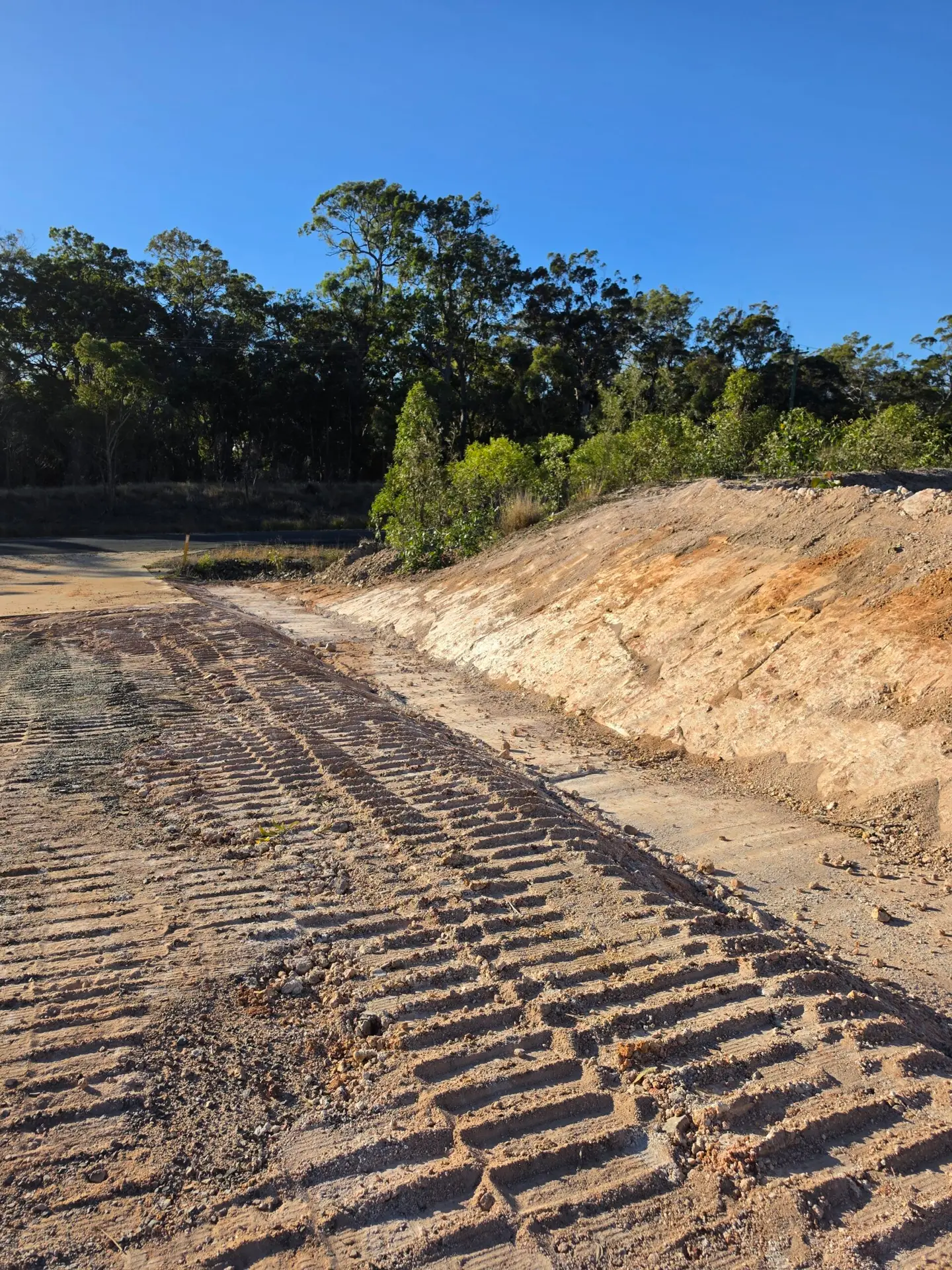
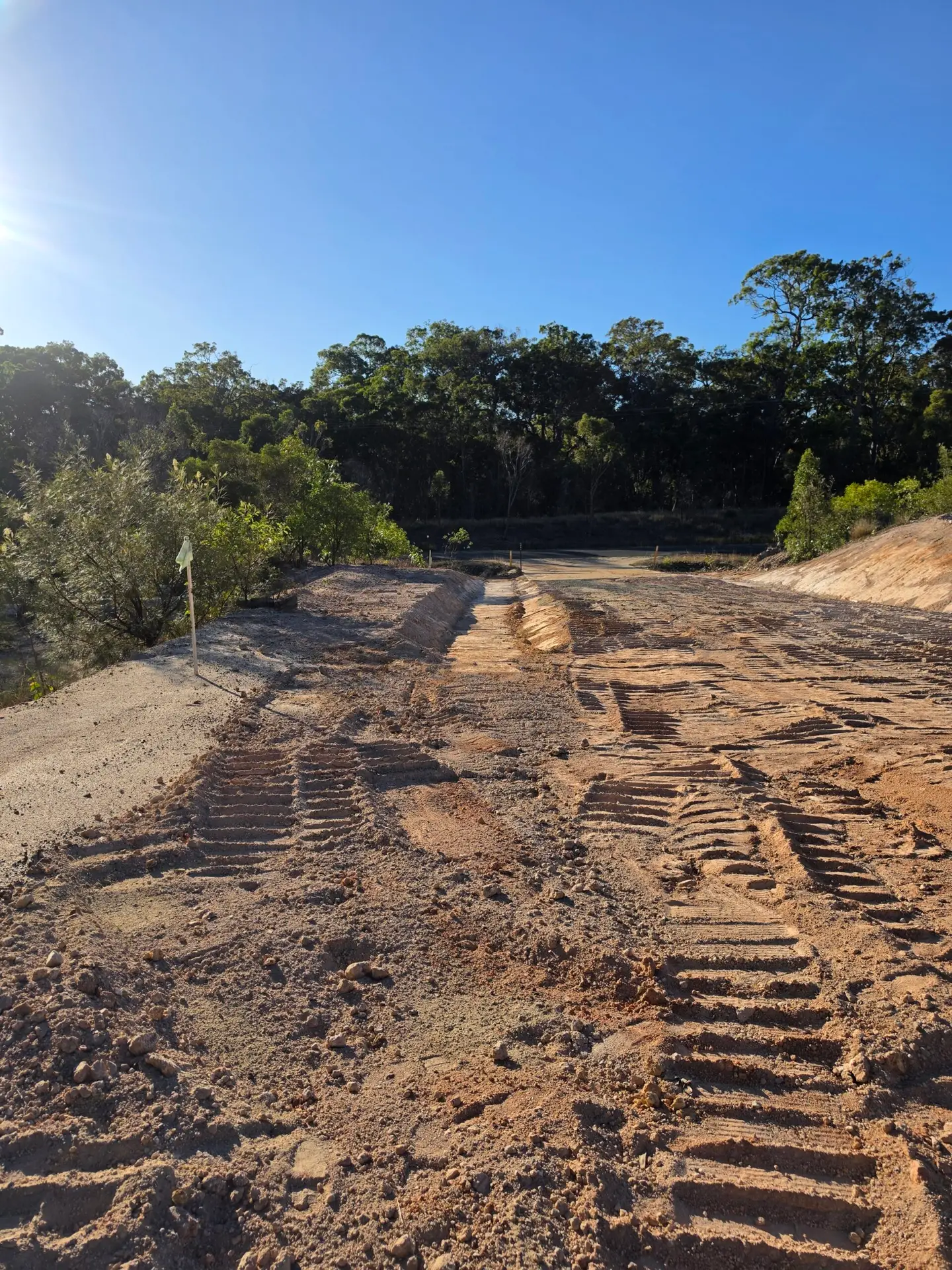
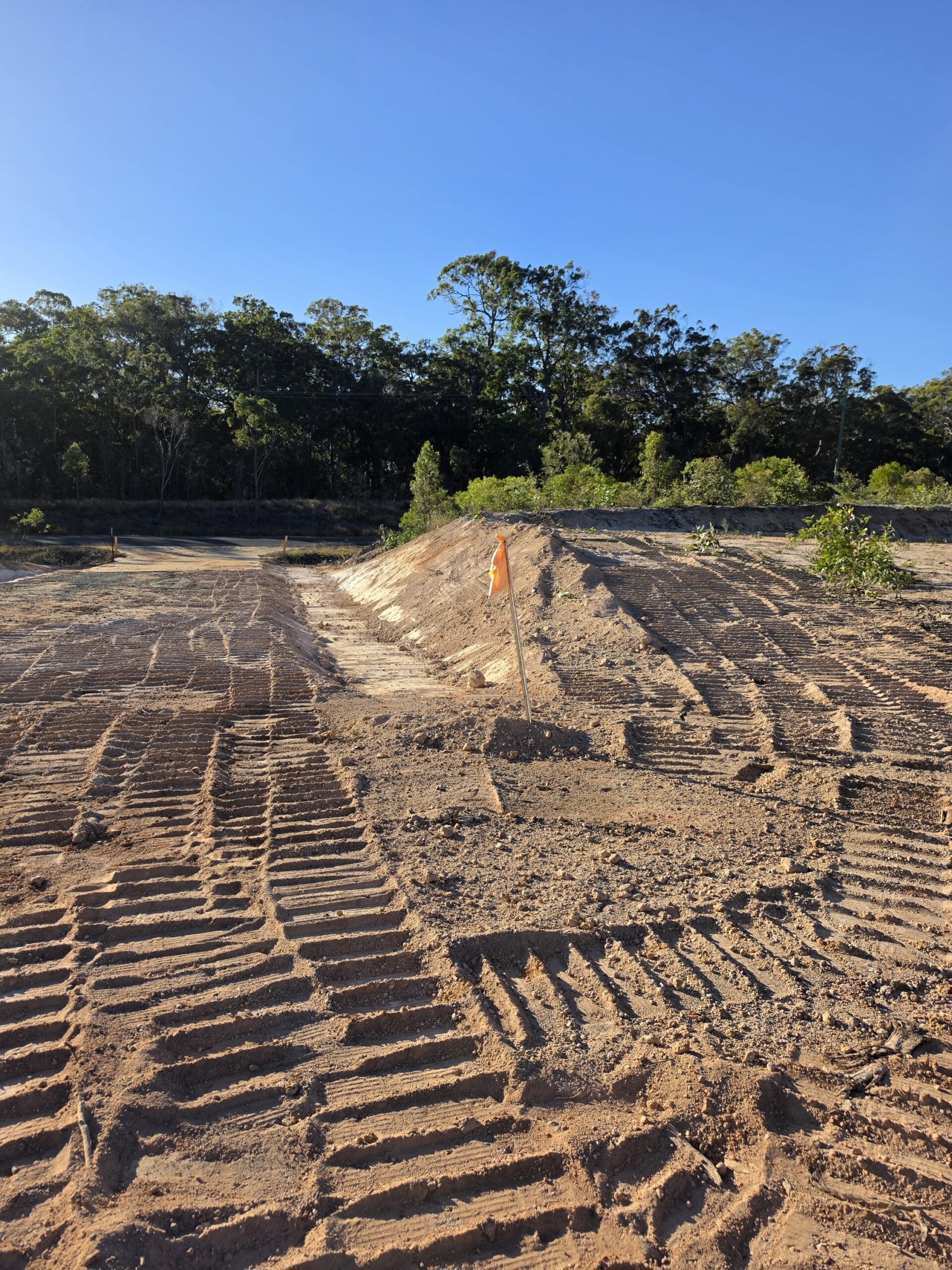
The work involved repairing the damaged areas and reshaping the drains to create a more controlled path for stormwater. As the project photos show, the existing drains were recut and reformed to improve their profile and help direct water away from the driveway and surrounding ground.
When drainage channels are too shallow, uneven or poorly shaped, fast-moving water can concentrate in small areas. Over time, this can remove soil, deepen channels and undermine the edges of a driveway. If left untreated, relatively minor scouring can develop into larger erosion problems and create more extensive repair work.
By recutting and shaping the drains, the aim of this project was to improve the way water travels through the site. The drainage lines were formed with more consistent falls and clearly defined channels, helping water move through the area rather than spreading across the driveway or cutting uncontrolled paths through the soil.
The earthworks also prepared the drains for the next stage of erosion protection. The client will install geotextile fabric and rock within the drainage areas. Geotextile helps separate and stabilise the underlying soil, while rock provides a durable surface that can slow water movement and reduce further erosion.
Good drainage management is particularly important on sloping properties and unsealed driveways, where heavy rainfall can quickly cause significant damage.
This project demonstrates how targeted earthworks, careful drain shaping and appropriate erosion-control measures can provide a practical, long-term solution for managing stormwater and protecting property access.